CHIP works across the full continuum of cancer and NCD control — connecting research, policy, and community action to deliver programmes with documented, scalable impact.
What We Do
Our Work Areas
Community-based awareness campaigns and cancer screening camps bringing early detection services to underserved populations across India.
SDG 3.4 — NCD prevention
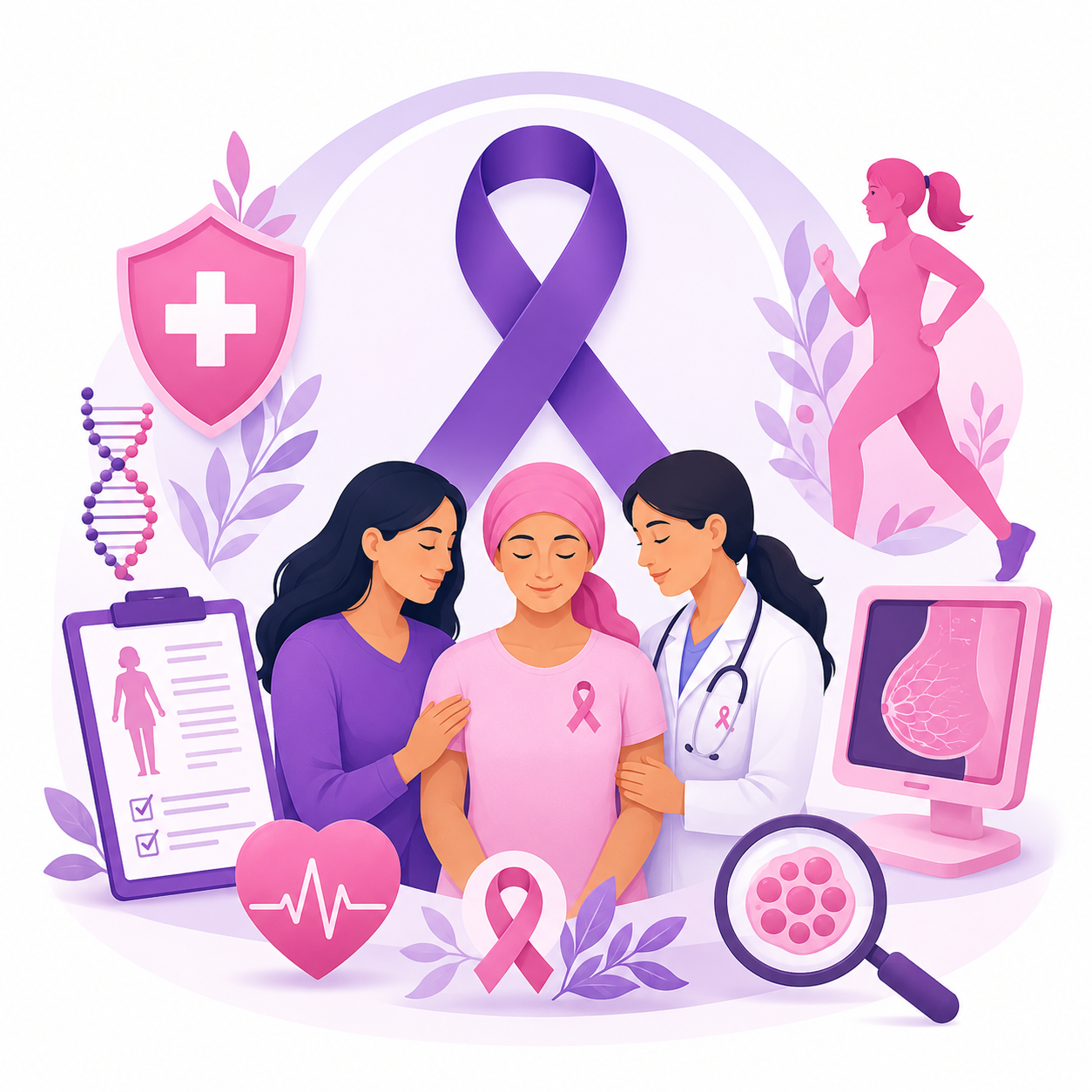
Contributing to national and international tobacco control and cessation research through evidence-based, multi-country collaborations aligned with the World Health Organization Framework Convention on Tobacco Control.
SDG 3.a — Tobacco control
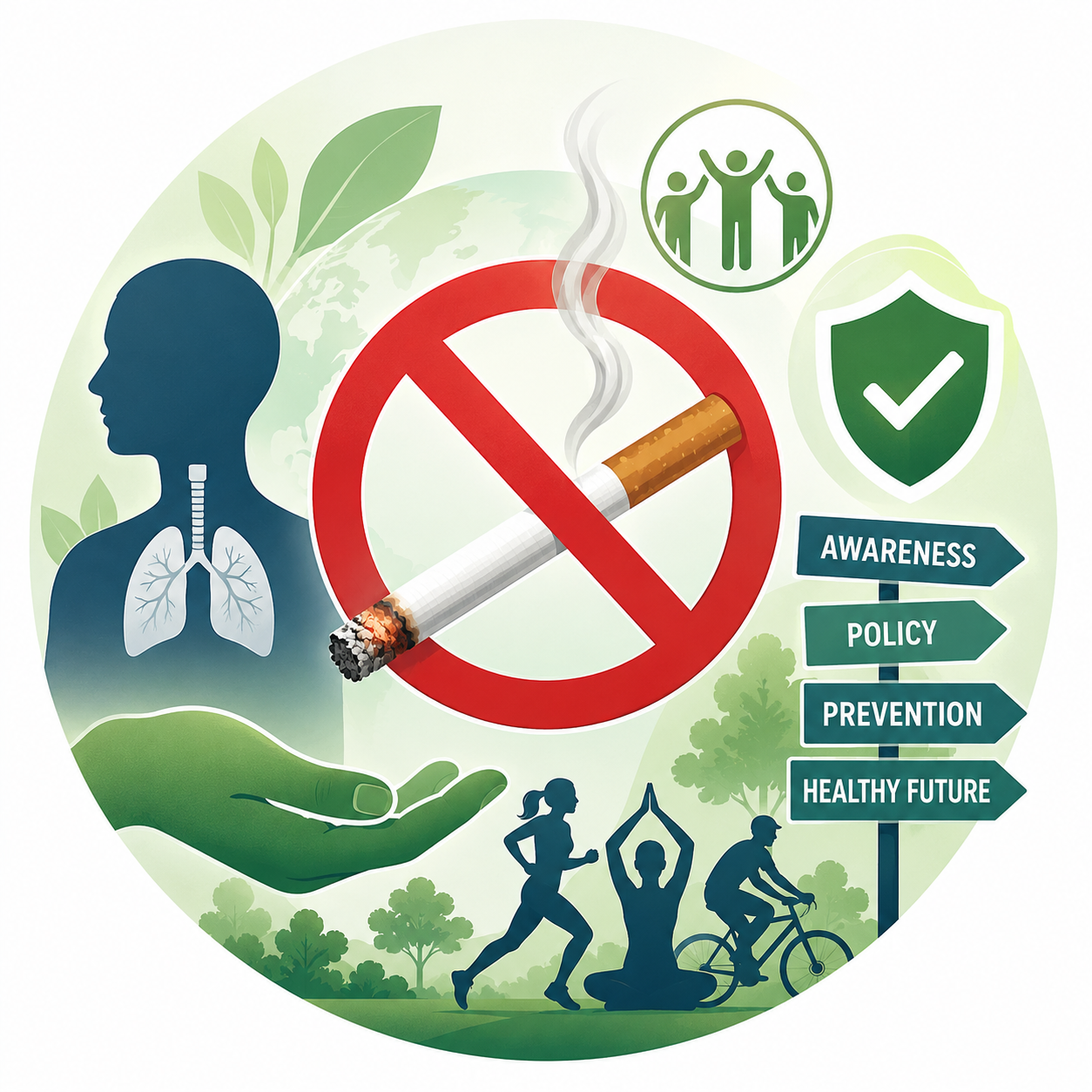
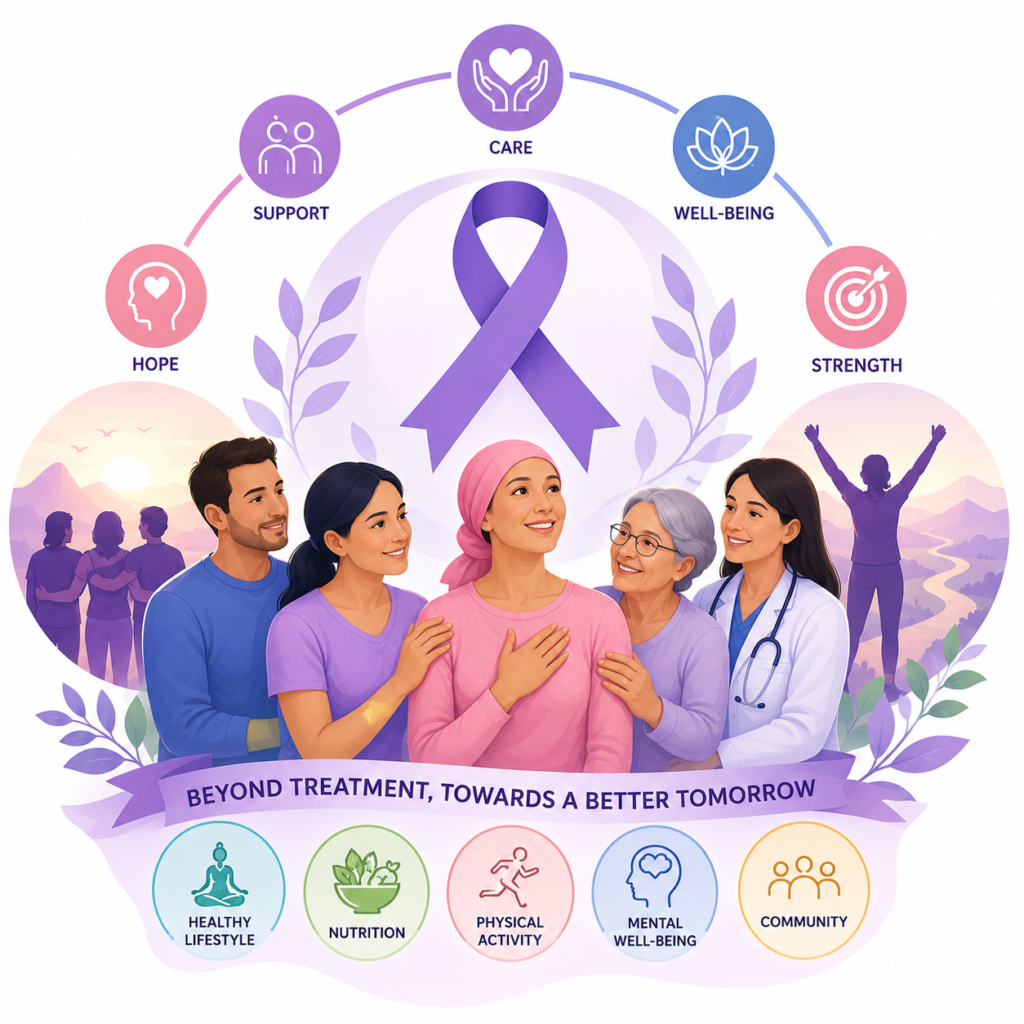
Supporting the holistic needs of childhood and adult cancer survivors through comprehensive survivorship programmes focused on nutrition, physical health, mental health, psychosocial well-being, rehabilitation, and healthy lifestyle practices. Our initiatives aim to improve long-term health, enhance quality of life, and facilitate successful reintegration into everyday life.
SDG 3.2 — Child health
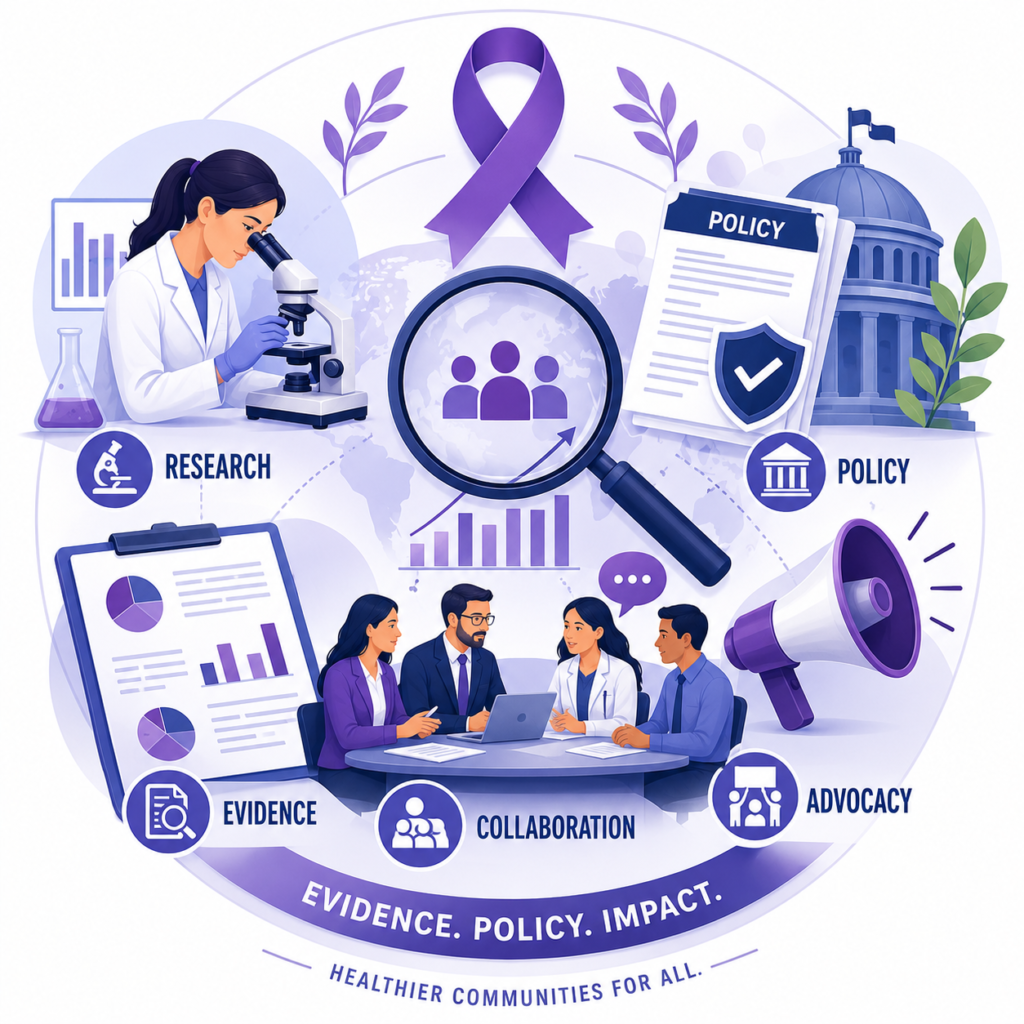
Generating high-quality evidence to shape national and global public health policies through research, implementation science, and policy advocacy. Our work spans tobacco control, sugar-sweetened beverage (SSB) research, HPV vaccination, cancer prevention and survivorship, non-communicable diseases (NCDs), and health systems strengthening, translating scientific evidence into impactful policies and programmes that improve population health.
SDG 3.8 — Universal health coverage
Supporting HPV vaccination initiatives to improve access among childhood cancer survivors, children with bleeding disorders, and other underserved or high-risk populations, contributing to the prevention of HPV-related cancers and advancing vaccine equity.
SDG 3.b — Vaccine access
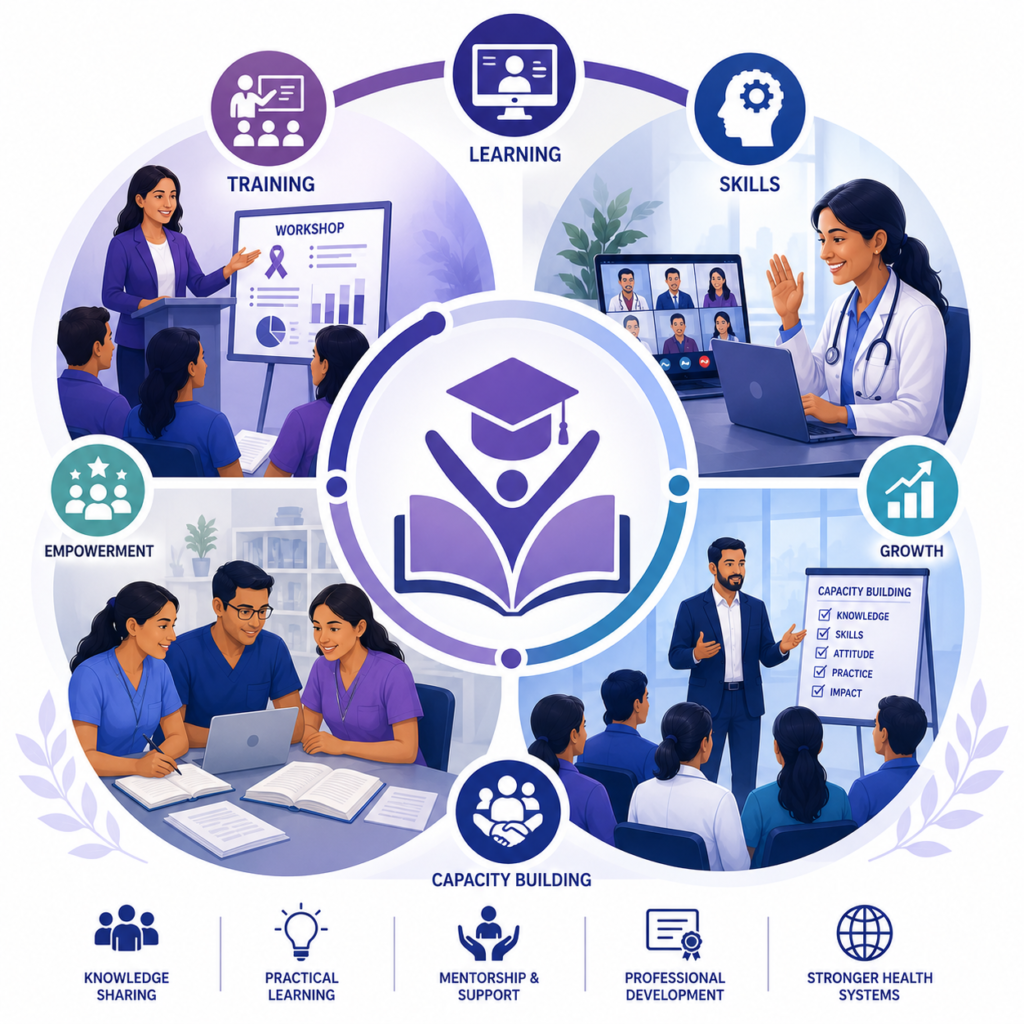
Building the capacity of healthcare professionals through evidence-based training, virtual knowledge-sharing, and mentorship. Our flagship Cancer Survivorship Capacity Building Programme equips frontline healthcare workers with the knowledge and skills to deliver comprehensive survivorship care. Implemented across eight Indian states and continuing to expand, the programme is creating a growing network of professionals advancing prevention, early detection, survivorship, and quality cancer care across the country.
SDG 3.d — Health workforce
Nutrition for every age and every stage of life. (NOURISH. GROW. THRIVE.)
Balanced Nutrition for a Healthier Life
A balanced diet is an important part of maintaining good health and reducing the risk of many lifestyle-related diseases. Eating a variety of vegetables, fruits, whole grains, pulses, nuts, seeds and other nutritious foods provides essential nutrients, fibre and protective compounds that support the body’s overall health.
Nutrition and Disease Prevention
Good nutrition, together with regular physical activity and a healthy body weight, can help reduce the risk of conditions such as heart disease, diabetes, obesity and high blood pressure. For cancer prevention, no single food can prevent cancer; however, a healthy dietary pattern, an active lifestyle and avoiding tobacco and alcohol can contribute to lowering cancer risk.
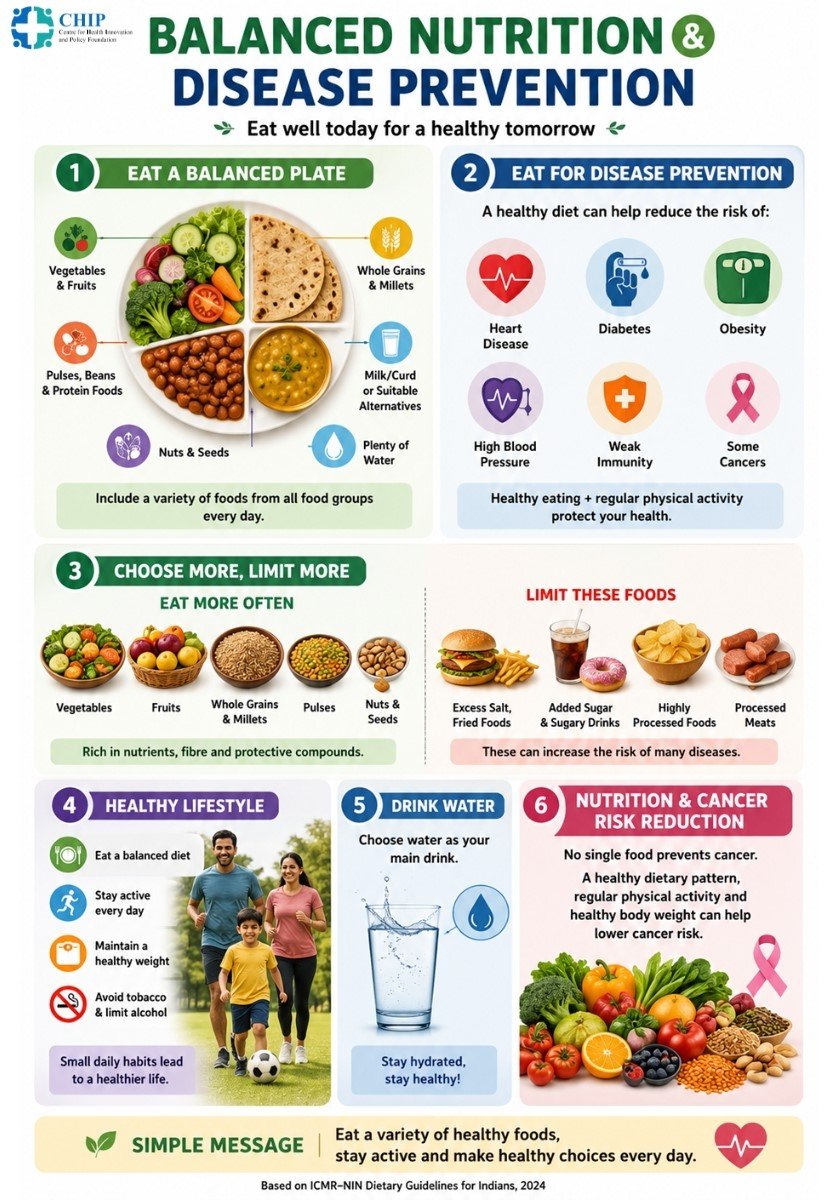
Small changes in everyday food choices can make a meaningful difference to long-term health. Eat well, stay active and make healthy choices every day.